
English| EUR
Suggested for you
More currencies
Choose a language
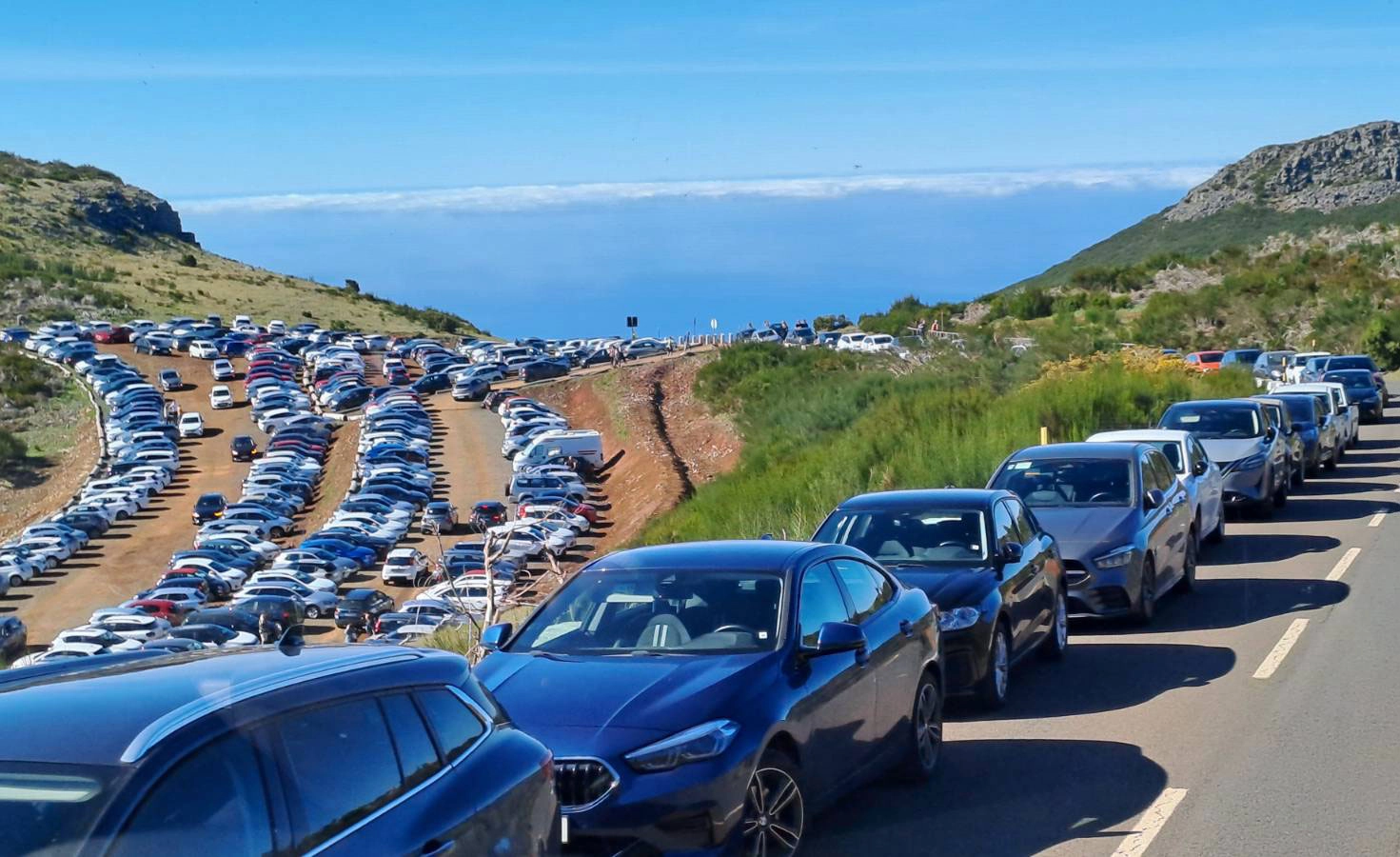
The PR1 trail ends at Pico Ruivo, 7 kilometers from where most hikers park their vehicles at Pico do Arieiro. Without pre-arranged transport, reaching your car requires either a return hike or coordinated pickup. Understanding your options before you start prevents stranding yourself at the trail's remote terminus.
Quick answer
Transfer from Pico Ruivo to Pico do Arieiro requires either a pre-booked shuttle service, taxi pickup arranged by phone from the summit shelter, or hiking the 7-kilometer trail back. No public buses connect the two peaks. Most hikers book round-trip shuttle services that drop passengers at Pico do Arieiro, then collect them at Pico Ruivo's parking area at a scheduled time. Taxi fare typically ranges 25-35 EUR depending on negotiation and season.
Madeira's highest peaks sit connected by one of Europe's most dramatic ridge walks, but the 11-kilometer PR1 traverse creates a logistical puzzle for solo travelers and day visitors. The trail drops 500 meters from Pico do Arieiro before climbing steeply to Pico Ruivo's 1,861-meter summit, and few complete the return journey on foot. The shuttle solution addresses the one-way nature of the hike. Operators position vehicles at both trailheads, transporting hikers from their accommodation to the Pico do Arieiro parking area at sunrise, then retrieving them from the Achada do Teixeira lot near Pico Ruivo three to five hours later. This door-to-door model dominates the transfer market because it eliminates coordination stress and accommodates the variable pace of different hiking groups. Drivers monitor weather conditions and adjust pickup windows when cloud cover or trail congestion delays parties. Taxi transfers operate differently. Drivers based in Funchal or Santana require advance booking and charge fixed rates for the mountain run, but they offer flexibility for hikers who finish earlier or later than standard shuttle schedules. The Pico Ruivo ranger station maintains a list of licensed drivers willing to make summit pickups, though mobile reception at the shelter remains inconsistent. Hikers who plan to call for pickup should test their network provider's coverage before descending from Pico do Arieiro. The reverse route—Pico Ruivo to Pico do Arieiro—remains less popular despite its technical advantages. Starting at Achada do Teixeira means a shorter approach walk and tackling the steepest climbs early when legs are fresh. Transfer logistics mirror the traditional direction: shuttles and taxis serve both orientations equally. The conservation fee of 10.5 EUR per person applies regardless of which peak you start from, collected via the Simplifica Madeira online portal before you hike. Paid confirmation grants access to the trail from either end. Hikers attempting the trail without arranged transport face a 14-kilometer round trip exceeding six hours of walking. The return climb from Pico Ruivo back to Pico do Arieiro proves harder than the outbound leg, with sustained ascents through the final tunnels testing even conditioned walkers. Most who complete the double traverse start before dawn to finish before afternoon weather deteriorates.
“The trail drops 500 meters from Pico do Arieiro before climbing steeply to Pico Ruivo's summit, and few complete the return journey on foot.”
There is no direct public transport connecting the trailheads at Pico Ruivo and Pico do Arieiro. Visitors completing the one-way hike typically rely on pre-arranged private transfers or local taxi services to return to their starting point.
Achada do Teixeira to Pico do Arieiro via ER103 and ER202
Pre-booked shuttle service to start/end point
Drive via ER103 and ER202 to Achada do Teixeira or Pico do Arieiro
If you are not using a pre-booked transfer, arrange your taxi pickup at the Achada do Teixeira parking area well in advance. Attempting to hail a vehicle upon arrival is unreliable due to limited mobile reception and remote location.
Hikers planning the PR1 traverse must decide between the standard Arieiro-to-Ruivo route or the reverse direction. This choice impacts physical exertion levels and logistical planning regarding your return transfer.
| Pico do Arieiro Start Pico Ruivo Start | Primary Direction Towards Pico Ruivo | |
|---|---|---|
| Starting Point | Pico do Arieiro | Pico Ruivo |
| Direction of Travel | Descending/Ascending | Ascending/Descending |
| Physical Difficulty | High (cumulative elevation) | Higher (steeper finish) |
| Transfer Necessity | Required at Ruivo | Required at Arieiro |
| Best Time to Start | 06:00–08:00 | 06:00–08:00 |
Verdict: The standard route from Pico do Arieiro is generally preferred for its more gradual introduction to the terrain, though both directions require a pre-arranged transfer to return to your vehicle.
The best arrival window is 06:00–08:00 to avoid mid-day heat and ensure sufficient time to complete the one-way hike before sunset. Starting early is critical for coordinating transfers, as hiking the PR1 traverse takes several hours.
Mild temperatures (10°C–18°C). Ideal for stable daylight hours and transfer logistics.
Warmer, potential heat (15°C–25°C). Start early to clear the trail before peak temperatures.
Pleasant conditions (12°C–20°C). Lower risk of extreme weather affecting transfer pickups.
Variable conditions, often windy or wet (5°C–15°C). Requires strict adherence to safety and sunset timelines.
Verdict: April to May or September to October, with an arrival window of 06:00–08:00, offers the most reliable conditions for hiking and timely transfer coordination.
Prepare these logistics before your one-way hike to ensure smooth transport back to your starting point.
Everything you need to know about transfer from pico ruivo to pico do arieiro
The PR1 Vereda do Areeiro is a point-to-point trail, making a transfer from pico ruivo to pico do arieiro a popular logistical choice for hikers who do not wish to hike back. Many visitors prefer this service to avoid an arduous return trek on the same day. Most logistical providers operate daily to assist with this route.
You can search for shuttle services or private mountain taxi operators through local logistics providers. These services typically meet hikers at the Achada do Teixeira parking area after the descent. It is recommended to coordinate your pickup time well in advance.
Yes, the 10.5 EUR conservation fee is mandatory per person for the full PR1 traverse. This fee supports the maintenance and preservation of the mountain paths. Ensure you have your digital confirmation ready before starting the trail.
The best arrival window is 06:00–08:00 to avoid mid-day heat and ensure you have sufficient time to complete the one-way hike before sunset. Starting early also helps manage exposure to high-altitude sun. Adhering to this window is vital for a safe experience.
If you do not book a transfer from pico ruivo to pico do arieiro, you must arrange your own logistics or hike back to your original starting point. Returning on foot doubles the distance and elevation gain, which is physically demanding. Carefully assess your fitness before deciding against a shuttle.
Limited public transport options exist in the high mountain areas, so hikers often rely on professional shuttle services. These transfers are specifically designed for the PR1 mountain trail connectivity. Check local transit hubs for available mountain bus lines if you prefer not to use private shuttles.
Choosing not to use a transfer from pico ruivo to pico do arieiro means you must either arrange private transport or complete a strenuous return hike. Without a pre-booked shuttle, you may find it difficult to secure reliable transportation at the remote northern trailhead. Plan your exit strategy before you depart.
The trail between the peaks spans approximately 11 kilometers through rugged terrain and steep stairways. Hikers traverse deep valleys and mountain ridges while navigating significant elevation changes. Proper preparation is essential due to the challenging nature of the volcanic topography.